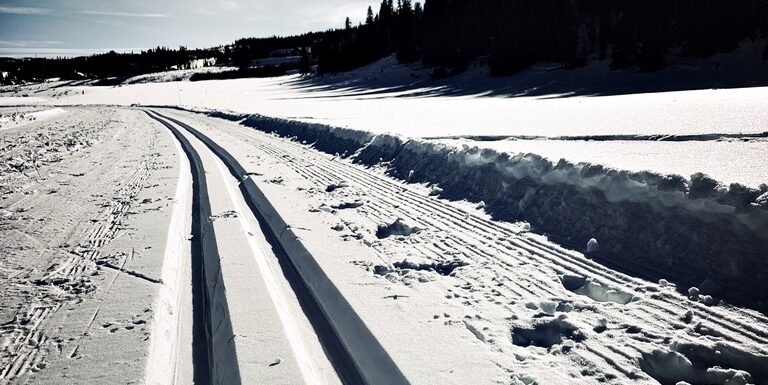
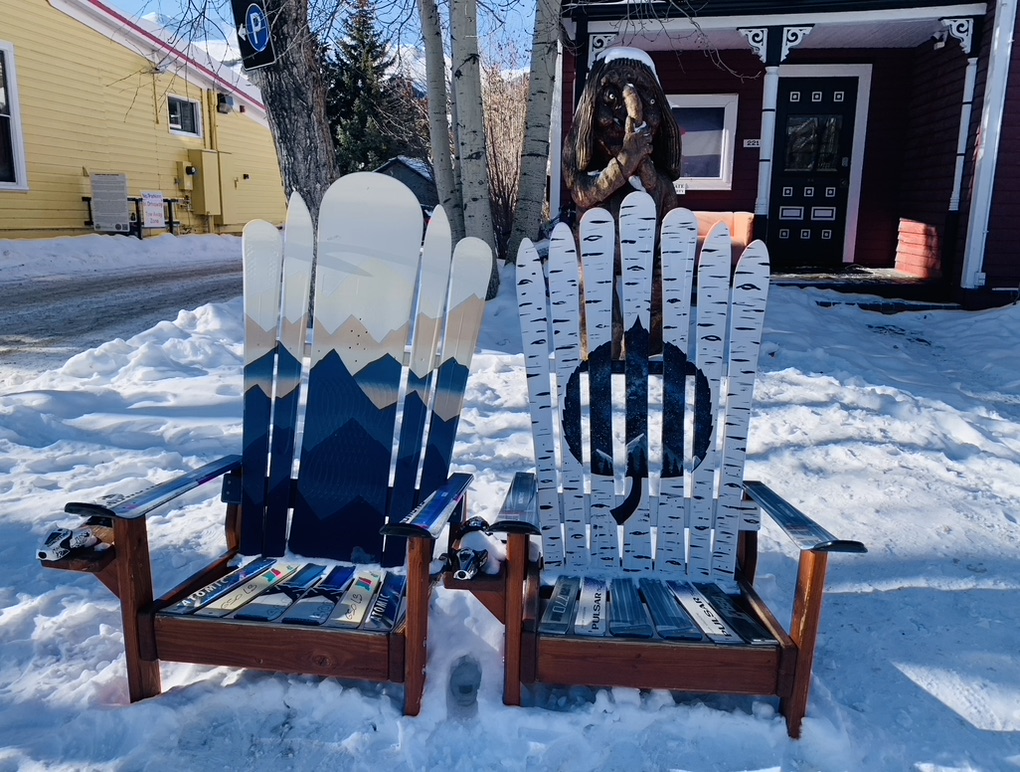
I love Colorado. It’s the perfect spot for outdoorsy types and anyone who loves cold weather and snow. Colorado is ideal for climbers, hikers, trail runners, fishermen, and winter sports fans.
For the active, Colorado is paradise, but it’s not for everyone.
Here are 10 Reasons not to live in Colorado:
1. You Don’t Like Being Outside
Colorado’s great because of its outdoors. The Southern Rocky Mountains give the state beauty and challenge the hikers, runners, and climbers who attempt to tackle them.
The rugged landscape, high elevation, snow, hail, dangerous driving conditions, and cold are just a few reasons that people may love or not love Colorado. I find all these reasons fun and exciting, but to many people, these potential dangers are too much. I understand.
Living in Colorado is a daily adventure, and if you love the outdoors, you might find the pros outweigh the cons. But if you don’t want to be outdoors most days, Colorado probably isn’t your state.
In the winter, every day there’s a pretty substantial risk of dying, and I’m not being dramatic. I drove Hwy 285 daily for work, and in the winter you’re dealing with snow, ice, elk, crashes, and cold. Highway 285 west of Denver is gorgeous but dangerous. I learned very early to drive under 60-65 mph on dark, winter nights or mornings. The chances of hitting a huge elk are higher than you might expect if you don’t get out to this area much.
One night, just before sunset, I observed about 200 elk, and most had just crossed Hwy 285. At one point, I slowed to a complete stop and thought I was recording, but I wasn’t. Super sad I didn’t catch that scene, because it was incredible. People who don’t live in the area or similar areas may not appreciate how many elk and moose there are, or how gigantic they are. I love them, but I don’t want to hit one while driving.
If you love Colorado’s terrain and the outdoors are your true passion, Colorado is perfect. If the outdoors are not your thing, don’t take these risks when so many other states are much less harsh.
2. Not a Fan of Wildlife
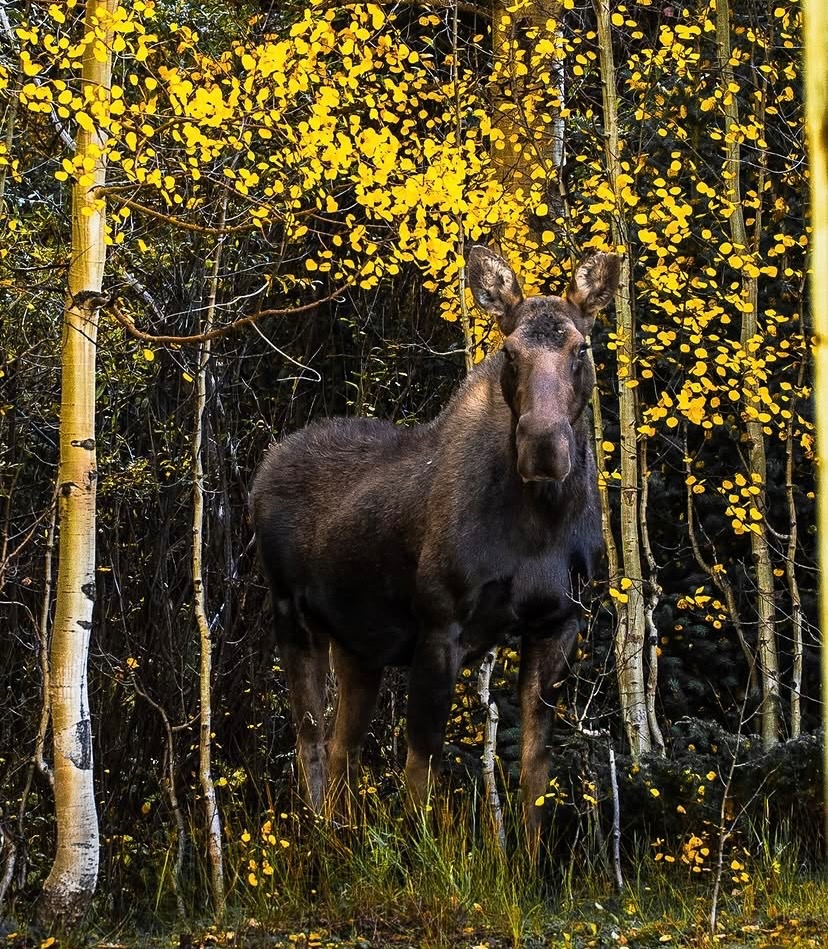
As I mentioned in number 1, hitting elk or other animals while driving is common and can obviously be very dangerous. It was always a real concern of mine while living in the Colorado mountains.
Besides encounters with animals while driving, you’ll encounter animals if you spend time outside. The most common animals will depend on where you live or spend time. I often saw elk, wild turkey, bison, and moose. Black bears and mountain lions are also all over the area I lived in, although I rarely saw them.
Mountain lions have been spotted at one work office location in the past, which sits in prime lion territory. I met several people who had seen lions right where I lived. Several local store owners had hunted and killed lions in the area. One coffee shop owner in town has his lion mounted in his shop.
If you don’t want a possible mountain lion, bear, moose, or elk encounter, do not live in Colorado. Mountain lions and bears are out there, but they typically want to stay away from humans.
I don’t want to discourage people from living in the amazing woods and mountains because they have unrealistic fears of these animals. I want people to have a realistic view of them and respect them. They are there, and an encounter is always possible, but those encounters are rare. And dangerous encounters are even rarer.
With a law enforcement background, I can’t help but think of it in policing terms. I could work patrol for thirty years and never have a deadly force encounter, or I could have one my second day on the job. Prepare for what is possible and plan, but know what is likely and typical.
That being said, some people may want to avoid the Centennial State because of all the large animals that roam there. These animals are part of the draw for many of us, but I understand why some people would rather live in a less intimidating state.
3. You Don’t Have 4-Wheel Drive

Without 4-wheel drive, it’s easier to survive in Denver and cities east of Highway 25, but I wouldn’t recommend it. 4-wheel drive, or All Wheel Drive, is pretty much a must-have in mountainous states like Colorado.
There was plenty of black ice and ice so dang slippery it was difficult even with a brand-new, heavy-duty 4-wheel drive. Sandbags help in the back of a truck or light vehicle, but only so much.
I would never live in Colorado or any mountainous state without 4-wheel drive, recovery gear, and good tires. Your life depends on it.
I was amazed at how many vehicles ran off the mountain up Hoosier Pass in one winter. And it’s not just the huge mountain passes you have to worry about; you have to worry about all roads. Even the slightest incline can keep you from gaining traction and making it down the road.
On one early morning drive to the airport, I made it through Hwy 285 and past Bailey only by the grace of God. I knew the roads were bad; snow and ice covered them, so I left early to give myself a couple extra hours.
I headed east towards Bailey and the drive started off well. Then it was chaos. Several tractor-trailers going east and west were stuck and couldn’t move; only enough room remained for smaller vehicles to pass them slowly. With 10 or so miles left to get past the worst part of the drive, I prayed I’d make it because it didn’t look good.
Soon after, I learned what the worst section of road on Hwy 285 is when it’s icy. It’s a section with a slight incline and banks south. With black ice, even the 4-Wheel drives had trouble navigating that section without sliding into the ditch.
Long story short, I got stuck twice within fifty feet after someone helped me, and I ended up with both my right tires off the road and into the ditch. Luckily, the snow and ice kept my tires from completely dropping off; otherwise, I probably would’ve been stuck for at least a day. I sat there in my truck thinking, well… this doesn’t look good. No vehicles were close to me, other than eastbound traffic at a dead stop, and I had nothing to lose, so I took a chance.
I put my truck in reverse and gunned it, then shifted into drive and gunned it. I did that about three times and got unstuck. Honestly, it felt like a miracle. I give myself a little credit for skill, but I definitely had luck too.
I got out of there and made it to the airport without any more delays. I couldn’t believe it. I knew before that day that winter travel can be super sketchy and that you might not make it to your destination, but that morning reinforced it.
At one point, I worked an overnight job in Breckenridge and had to drive after dark. I always gave myself plenty of time and drove cautiously. I love driving, and I consider myself a good driver, but I didn’t drive after dark in the winter unless I had to for work.
Every decision has risks and benefits, and in that case, I didn’t think the benefits were worth the risks.
4. You Don’t Like Snow or the Cold
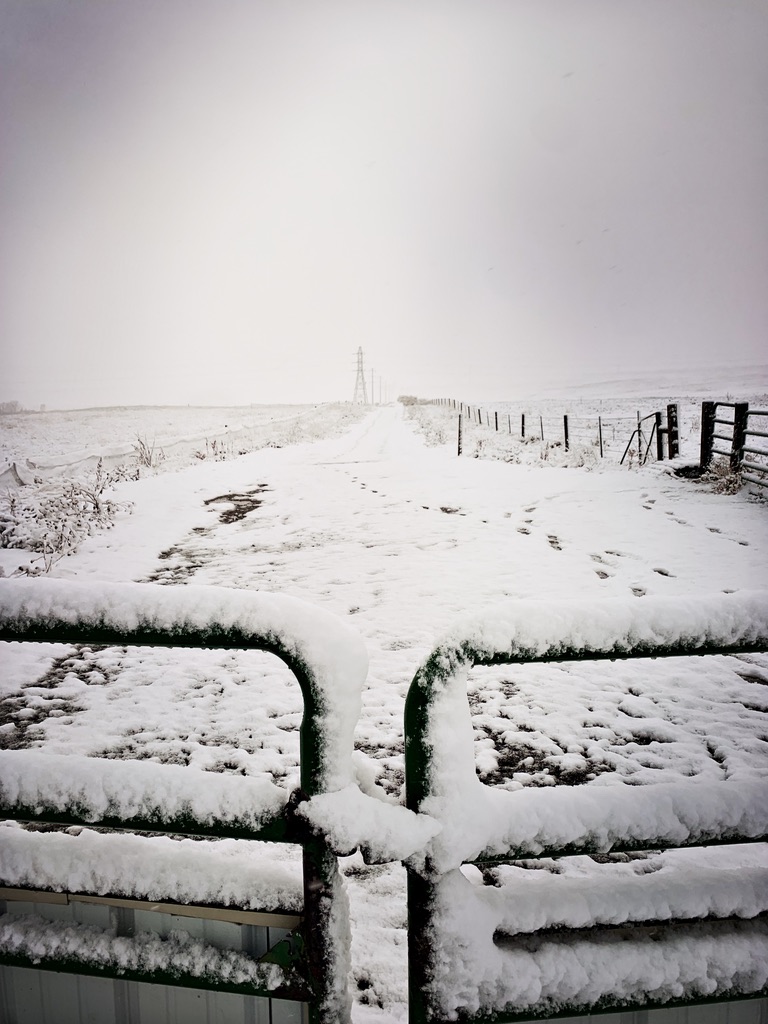
It’s going to snow, and it can get very cold. And if you live in the mountains, you could get snow every month.
This one might sound like common sense, but I listed it because it’s such a huge part of the state. Snow and cold are reasons I love Colorado, but I know not everyone likes what I like.
I know tons of people who would rather be hot and don’t mind living in the South, Texas, or the Southwest. Every state has pros and cons. The coldest experience I had was in Breckenridge and the nearby Keystone ski resort. I can’t remember the exact temperature, but I remember the “feels like” temperature was -40. Within a minute or two of being outside, it was excruciating.
So, if you don’t like the cold, wind, or snow, don’t live in Colorado.
However, I will add a caveat. While a handful of winter nights were bone-chillingly cold, I was pleasantly surprised by how nice most winter days were in the Colorado Mountains.
In Colorado, 30 degrees at 9,000 or 10,000 ft. at 2:00 PM, with the sun out and no wind, is absolutely perfect and genuinely nice. In my hometown of Dallas, TX, that is not the case. In Dallas, 30 degrees is usually miserable. Dallas is almost always miserable when it’s that cold, windy, and there’s no sun.
Despite numerous trips to Colorado growing up, it never really dawned on me how elevation and humidity drastically change how temperatures feel. And trust me, I’m not the ‘feelings’ type. I’m a facts-don’t-care-about-your-feelings type. But high elevation, being close to the sun, and low humidity can make it feel much warmer. Just like high humidity and wind can make it feel much colder.
I have Raynaud’s, and when I moved to Colorado, I wasn’t sure I could handle the cold. While Colorado is certainly colder than North Texas, I had more issues in Texas. I have learned how to take care of myself better, so that’s part of it, but some of it has to do with the lack of humidity and being closer to the sun.
Don’t let the cold keep you away from Colorado if you love the outdoors. But. If you don’t like cold or snow, other states might be better.
5. Limited Restaurant Options
This is mostly for the small mountain towns. Where I lived, just south of Breckenridge, we had a Mexican restaurant, a pizza food truck, bar food, and a gas station. The Mexican restaurant and pizza food truck were both awesome. The gas station food was surprisingly decent, although not particularly healthy. We also had two small cafes that were pretty good but had limited hours.
There was a fantastic Thai place, but it was almost an hour away. The point is, if you’re a foody, I hope you have a deep freezer and can cook, because you’re mostly on your own. Denver has good food and plenty of options, but it’s been pretty rough for years, so watch your six.
Like most states and most locations, there are always pros and cons. When you live and play in the mountains, you have a ton of cool activities to enjoy daily, but limited food options. I prefer to cook, so this isn’t a deal breaker at all for me, but I bet it is for some.
6. Wildfires
Unfortunately, wildfires are common in Colorado and can be devastating. Wildfire danger isn’t necessarily a reason not to live in Colorado; it’s more something to be aware of. This concerns me as I start building infrastructure and, one day soon, a cabin. I don’t want to spend time, money, and effort building what I want only for a fire to wipe it out.
But as I said before, every state has risks and benefits. Colorado has snow, cold, and wildfires. Texas and the Midwest have flooding and tornadoes. The West has earthquakes, and the South and Southeast have hurricanes. The Northeast has cold, snow, and hurricanes.
Every state has risks. The possibility of a wildfire won’t keep me from moving to Colorado, but it will be on my mind as I develop my land and spend more time out there. Just like I pay attention to animals and always expect them, I do the same with wildfires.
I plan to keep the area around my cabin clear of brush and well-manicured. I’m pretty good at paying attention to weather, wildfire dangers and warnings, and animal encounters in the area. It’s just another precaution to take when living or camping in Colorado.
Living in the Dallas area, I’m always paying attention to my surroundings, and it’s the same thing in Colorado. The difference is what I’m concerned about in each state.
7. Drug Abuse in Denver (and everywhere across the state)
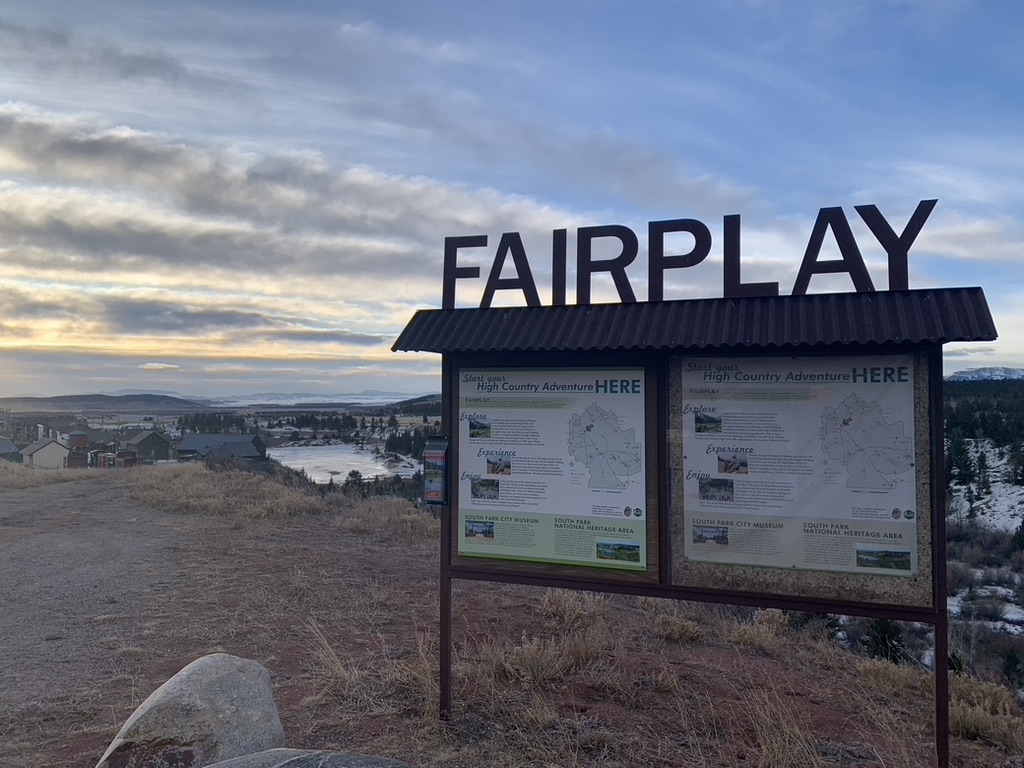
Spend a couple of minutes Googling drug use in America, and Colorado ranks at the top of many lists and sometimes ranks first. Colorado tops the country in cocaine use according to westward.com. And it’s no surprise Colorado tops the lists in marijuana consumption as well.
That might not be a problem to most people. I don’t necessarily think an adult partaking in marijuana is bad in and of itself; it’s the decline in quality of life and environment that’s important to me. Just like when people consume alcohol, I want them to consume it responsibly.
You may not mind if your neighbor smokes pot or uses gummies to help with their anxiety or to sleep, but some small towns (and certainly Denver right now in 2026) are struggling with negative consequences of drug use. Colorado teens are 37.4% more likely to have used drugs in the last month than the average American teen.
Denver went downhill years ago, and in my opinion, it’s still pretty bad. I was a big-city cop for many years, and what I recently observed in Denver (2024 and 2025) is probably the worst it’s ever been. It wasn’t quite as bad as Los Angeles, San Francisco, or Oakland, California, but close, and that’s not good.
Obviously, conversations about drug use and abuse are nuanced. There is so much to talk about on this topic in America, and this doesn’t even scratch the surface. This is just me pointing out that Denver has declined for several reasons, including drug abuse, so just be aware and do your own research.
I will give one tip if you’re headed to Denver and haven’t been in a while. Make sure you stop and use the restroom before you get to downtown, trust me.
8. Expensive (And there’s State Tax)
Yes, everything seems expensive in 2026, but small mountain-town living is another level of expensive. It makes perfect sense. It’s expensive to truck and haul in produce, food, and supplies. Often, there’s one road in, and it’s snowy, hazardous, and complicated. I get it, and it didn’t bother me, but it’s something to keep in mind.
I still found it cheaper than living in California or New York. I’ll also add that I found a surprisingly reasonable place to rent. It was small, but it was pretty awesome and in a great location! I was very happy with my place in Colorado, and if you’re looking to rent, I think you can find good deals if you look around. I found my apartment on Facebook Marketplace.
Facebook Marketplace was also great for buying or selling furniture in Colorado. Then, once I started working for the county, co-workers either rented awesome cabins or knew people who did.
That was one of the best parts of living in a small community. I was amazed at how many people wanted to help. Everyone in that town wanted to help their neighbor, and it was such a nice change from the big city.
Colorado has a state income tax, and that scares away some people from states without one, like Texas. I’ve also read that Colorado may not be the best state to retire in or die in, if you have money and property to pass on. Just keep it in mind and do your own research if you’re planning to move to Colorado.
In Colorado’s defense, I didn’t mind paying taxes to keep the roads clear in the winter. Keeping mountain towns running (mostly) smoothly in the winter takes a lot of work, and I’m sure taxes play a big part. The stunning scenery was worth it to me, but I’m sure some people would rather have extra money in their pocket.
9. High Elevation
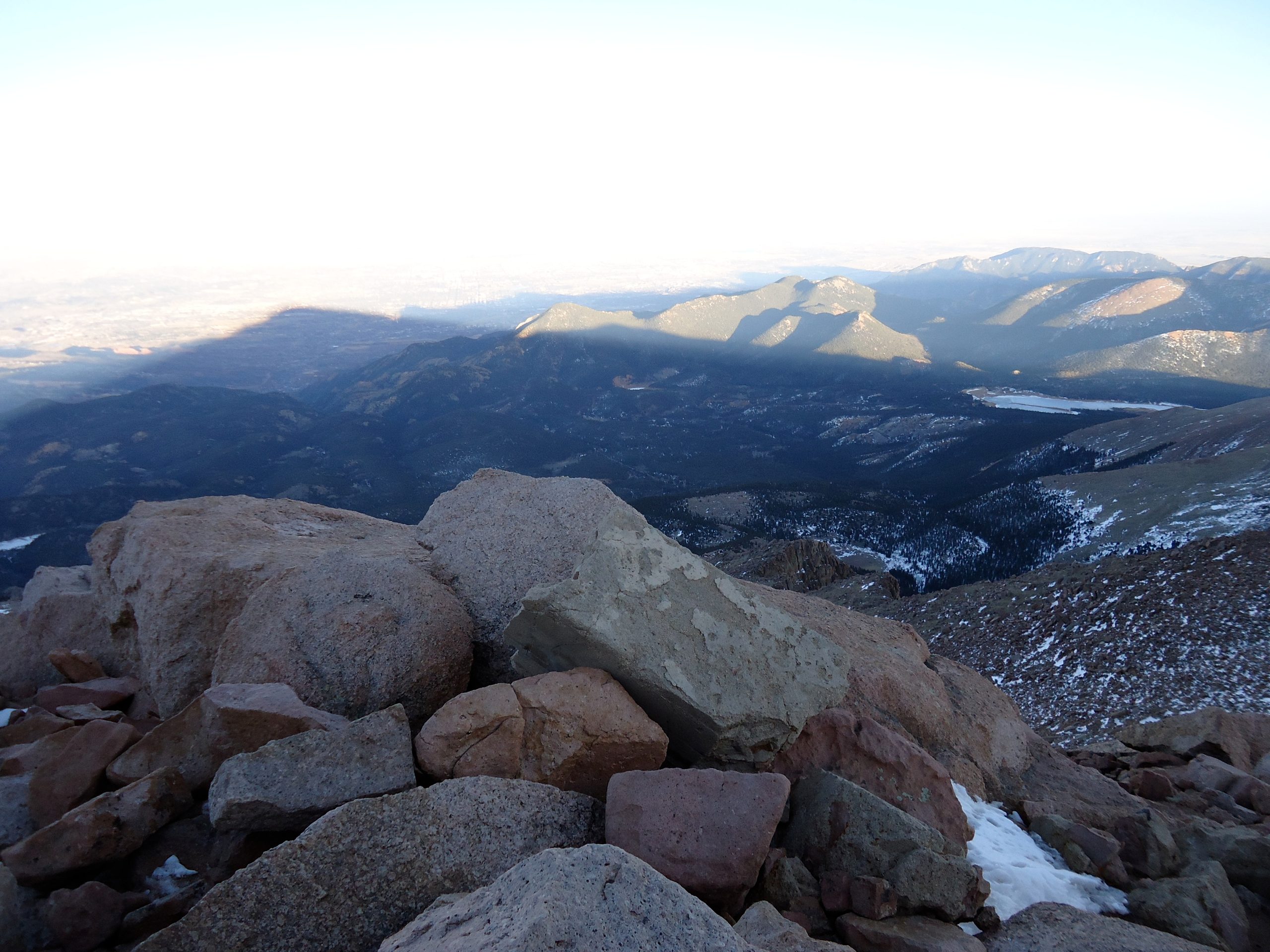
I lived at 10,000 ft. and never had a problem breathing or with my health. But I had friends who reached retirement age and had to move back down to lower elevations to stay healthy.
Living at 10,000 ft. puts us much closer to the sun, and I’ve noticed that many people in Colorado look older than they are. It reminded me of lifelong surfers who live at the beach and look very weathered.
Again, this isn’t keeping me away from Colorado, but it’s something to keep in mind. Living at 8,000-plus elevation puts additional strain on the body, and being so close to the sun can damage your skin if you don’t protect yourself. I’m sure elevation keeps some people away. It could be for vain reasons or health reasons.
If you’re traveling to high elevation for the first time, definitely do your own research and prepare. Some people get headaches and get sick. Here’s an article by Discover Colorado about altitude sickness. Stay hydrated and take it easy on hikes until you know how your body reacts to the altitude.
10. Lack of Humidity: Nonstop Dry Skin
The high elevation and lack of humidity are tough on our bodies and skin. I read about this in articles before moving to Colorado, and then I lived there and experienced it firsthand.
I love Colorado. Iowa and Colorado are my two favorite states, besides my home state of Texas. The mountains, aspen trees, evergreen trees, snow, ski towns, and most people in Colorado are wonderful. But Colorado has downsides, and the lack of humidity could be a big one for some.
The upside to the lack of humidity is that mold isn’t as common. The downside is that our skin in Colorado is almost always super dry. Besides being closer to the sun, lack of humidity is another reason we age faster in Colorado.
As a runner, hiker, cyclist, and outdoor lover from North Texas, I’m not a particular fan of humidity. It sucks to be soaking wet from sweat three minutes into your workout, walk, or outdoor activity. However, I’ve realized that moisture in the air isn’t always bad. While low humidity can make it feel warmer than it actually is, it can also keep our skin cracked and dry.
Like all the points on this list, pick your poison, I guess. Low humidity has pros and cons. I’m on the fence. I love that low humidity doesn’t feel as cold at times, keeps me dry during workouts, and keeps most mold from growing, but dry, cracked skin isn’t fun either. So, I don’t know.
What do you think? Would you rather have low or high humidity?
Conclusion
Almost everything on this list can be positive or negative; it depends on what you want in a state and what’s important to you. If you love the outdoors, few other states can compare to Colorado. The winters are gorgeous, quiet, and often peaceful. The summers are even better, with endless trails to hike and mountains to summit.
But the cold and winter dangers are no joke. Ending up stranded on the side of the road on a winter night could be deadly if you’re not careful. Animal encounters are real and could be dangerous. Denver’s struggling with overcrowding, drugs, and homelessness.
One thing is certain. Colorado is an excellent place to visit! Summer and fall are the best times because the weather is usually great. Late September and October are great because the trees are turning and the mountain views are spectacular. But be ready for winter, because it can snow at any time. It’s mid-October 2026, and Colorado has already had a decent amount of snowfall.
In closing, I want to add one observation from living in Colorado. Most Coloradans are super tough! Especially those who live in mountain towns or in remote areas of the state.
I’m not surprised by this; it makes sense, it’s Colorado. Colorado is rugged and mountainous. But I was surprised because it seemed to apply to everyone, especially the women. I observed more badass mountain women than I expected. And these are straight women, not butch or gay.
It makes sense: to live in a harsh mountain environment, with large wild animals and temperatures well below zero, you have to be tough. You have to know how to take care of yourself. How to chop wood, how to navigate ice and snow on the mountain, etc.
And if you’re planning to move to Colorado, just know that you should be able to take care of yourself without relying on anyone else.
What do you think? Are these 10 reasons not to move to Colorado enough to keep you out of the Centennial State? Or are you a hardcore outdoor lover like me and willing to take the risks because the benefits are worth it?